


Bisphenols and breast cancer science review
PDF1.8 MB
DOI No.10.71450/32408851
What is the link?

Yes, a healthy lifestyle can help lower your risk of breast cancer. Studies show that at least 30% of breast cancer cases could be prevented through lifestyle and environmental changes.
In addition to lifestyle factors, harmful chemicals in your environment may also increase your risk. You can learn more about this here.
Your risk of breast cancer changes throughout your life and can be influenced by major life stages like puberty, pregnancy, breastfeeding, and menopause. You can learn more about this here.
Certain risks cannot be changed, such as age, gender, genetics, family history of breast cancer, and breast density.
It's a quick and easy way to identify simple lifestyle shifts that could make a big difference. You get a personalised action plan to help you get started.

While the exact mechanisms aren't fully understood, scientists believe alcohol increases breast cancer risk in several ways. It can also promote weight gain, which is a known risk factor for post-menopausal women and men.
Regular exercise reduces breast cancer risk by lowering hormones like oestrogen (especially post-menopause) and reducing body fat. It also improves immune function and reduces inflammation.
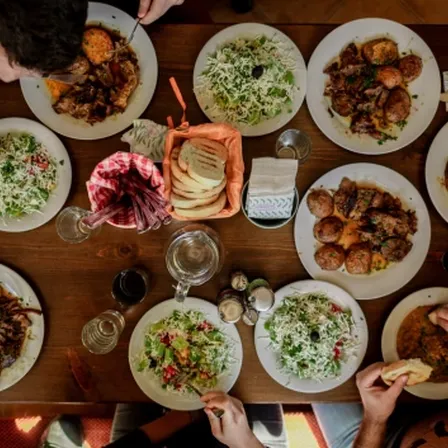
A diet high in fruits and vegetables (especially non-starchy vegetables and those rich in carotenoids), whole grains, and fibre may help reduce your risk of breast cancer.
A diet rich in fibre can help lower your risk of breast cancer. Fibre may reduce your risk by reducing oestrogen levels and helping to maintain a healthy weight (both are key risk factors).

Vitamin D may help prevent breast cancer by controlling healthy cell growth, slowing cancer cell growth, reducing inflammation, and lowering oestrogen levels (which are linked to increased risk).
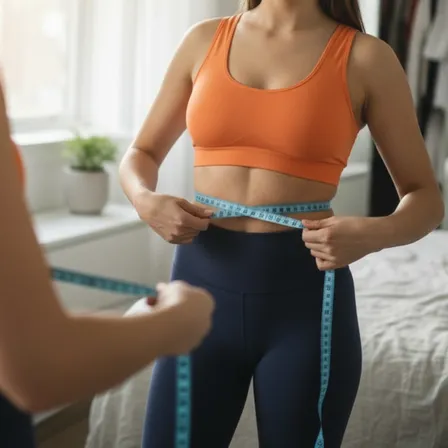
Being overweight or obese increases breast cancer risk. Fat cells produce hormones like oestrogen and leptin that promote cancer cell growth. Excess weight also leads to chronic inflammation and insulin resistance, all of which raise risk.
An imbalanced gut microbiome can raise breast cancer risk. Some microbes increase oestrogen levels, damage DNA, cause inflammation, and lead to weight gain, while others produce cancer-protective substances.
Get a personalised action plan to help reduce your risk of breast cancer.
Take our quiz.


Please select a campaign to connect this plugin with.

Bisphenols are a group of endocrine disrupting chemicals used mainly in theproduction of polycarbonate plastics, epoxy resins and increasingly, flameretardants.